Canada’s Export Economy: What We Ship and Where
Oil, metals, and agricultural products dominate Canadian exports. Learn which sectors drive our trade surplus and where our biggest customers are located.
What Makes Canada an Export Powerhouse
Canada isn’t just a country with natural resources — we’re a carefully balanced export economy that ships roughly $650 billion worth of goods annually. That’s a lot of stuff leaving our ports, airports, and highways every single day.
The thing is, most people don’t realize how specialized our exports actually are. We don’t sell manufactured electronics or fashion to the world like other developed nations do. Instead, we’ve built an economy around what we have beneath our feet and above our soil — and we’re genuinely good at extracting, refining, and shipping it.
Understanding Canada’s export profile matters because it shapes everything from job markets to currency values to trade negotiations. When oil prices drop globally, Canadian GDP feels it immediately. When U.S. housing starts decline, our lumber industry knows within weeks.

The Big Three: Oil, Metals, and Agriculture
Three sectors account for roughly 60% of all Canadian exports, and they’ve been the foundation of our economy for decades.
Energy Exports
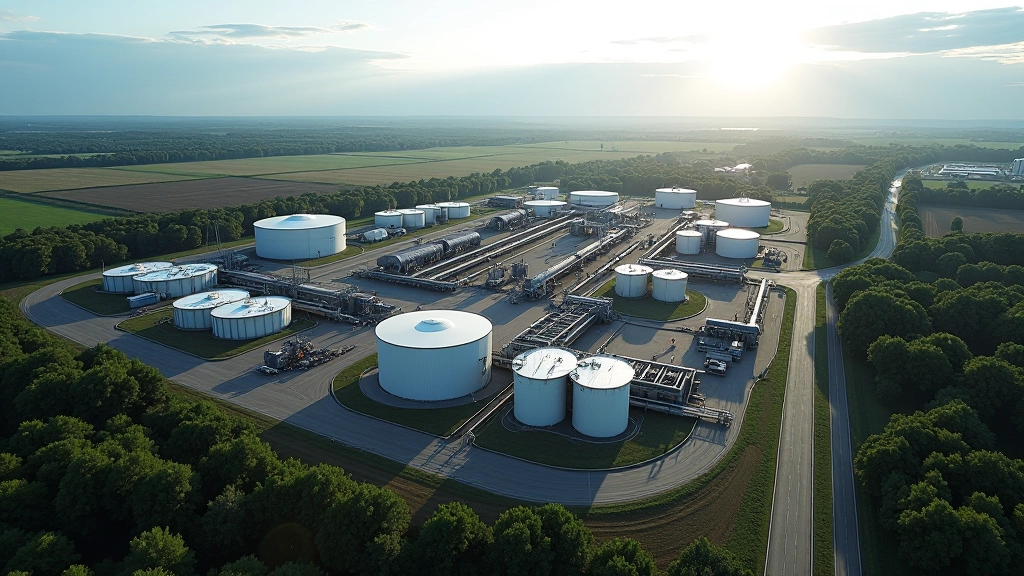
Crude oil alone represents about 20% of total exports — approximately $130 billion annually. We’re talking about oil from the Alberta tar sands, conventional crude from western Canada, and offshore production. Refined petroleum products add another chunk. The United States takes roughly 98% of our oil exports, which is both our strength and our vulnerability.
Metals and Minerals
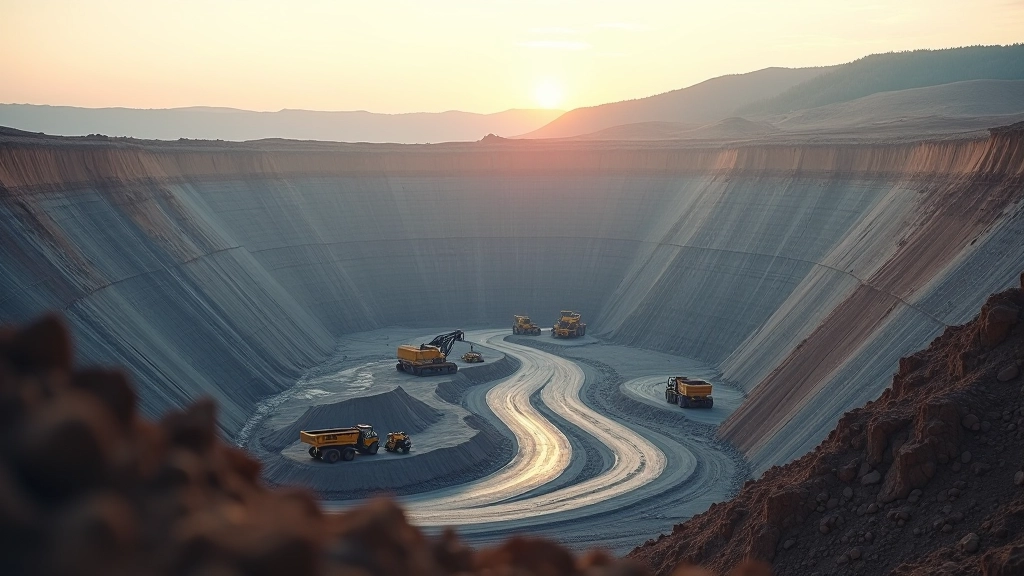
Iron ore, nickel, copper, zinc, and potash flow out of Canadian mines and processing facilities. We’re the world’s largest potash exporter and a top producer of several precious metals. Mining provinces like Ontario, British Columbia, and Saskatchewan depend heavily on global commodity prices.
Agricultural Products
Canola, wheat, beef, and pork are Canadian agricultural staples. We export roughly 50-60% of the canola we produce. Prairie provinces especially rely on crop exports — weather patterns, global harvest yields, and trade disputes all affect farmer income directly.

Where Canadian Goods Actually Go
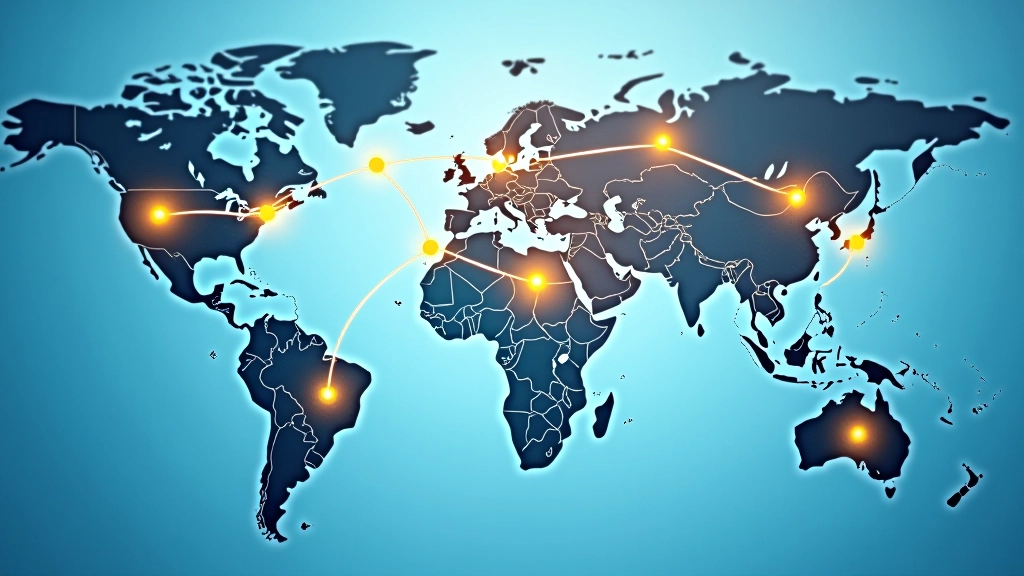
“The United States remains Canada’s dominant export destination, receiving roughly 75% of all exports. This concentration reflects geography, the integrated North American supply chain, and trade agreements like CUSMA.”
— Trade patterns, 2024-2026
Beyond the U.S., Canada ships significant volumes to China (especially metals and agricultural products), the European Union, India, Japan, and South Korea. But here’s what makes this interesting: our top export destinations have shifted over time as global manufacturing has moved.
China’s become increasingly important for Canadian metals and agricultural exports over the past 15 years. India’s growing economy means more demand for Canadian wheat and canola. Japan remains a steady buyer of energy products and fish.
The United States, though, isn’t going anywhere. The integrated North American supply chain means that even when U.S. manufacturing moved overseas, they still need Canadian raw materials and energy. Our proximity, infrastructure, and CUSMA agreement (which replaced NAFTA in 2020) make us the obvious choice for American manufacturers and refiners.
Trade Surplus, Commodity Dependence, and Strategic Positioning
Here’s something that surprises people: Canada typically runs a trade surplus. We export more than we import, which sounds great on paper. The reality is more complicated.
Our surplus comes almost entirely from commodity exports — oil, metals, and agricultural products. Meanwhile, we import manufactured goods, automobiles, electronics, and chemicals. We’re exporting raw materials and importing finished products, which is a pattern that can trap an economy in lower value-added activity.
The commodity dependence issue is real. When global oil prices crash, Canadian GDP contracts. When metal prices surge, we benefit. This volatility creates challenges for long-term planning, government budgets, and business investment. Canada doesn’t have the manufacturing diversification that countries like Germany or Japan built over decades.
That said, Canada’s position in global supply chains is genuinely strategic. We’re positioned between the U.S. and Asia. Our energy, metals, and agricultural exports are essential to North American and global manufacturing. CUSMA ensures preferential access to the massive U.S. market. And we’re increasingly important to countries looking to diversify away from Chinese dependence for critical minerals.

What This Means Going Forward
Energy Transition
As global demand for oil eventually declines due to renewable energy adoption, Canada needs to diversify. Critical minerals for batteries and renewable technology could become the “new oil.”
Supply Chain Reshoring
Countries are bringing manufacturing back to trusted allies. Canada could position itself as a stable source of both raw materials and value-added processing for North America and friendly nations.
Price Volatility Risk
Commodity price swings will continue affecting Canada’s economy. Building more stable export revenue streams through value-added manufacturing could reduce vulnerability.
Trade Agreement Importance
CUSMA and other trade agreements remain critical. Maintaining access to the U.S. market and negotiating favorable terms with other nations directly impacts export competitiveness.
The Bottom Line
Canada’s export economy is built on a foundation of natural resources, and that’s unlikely to change in the near term. We’re genuinely competitive in energy, metals, and agriculture because of geography, geology, and established infrastructure.
What matters going forward is how we adapt. The countries that thrive won’t be the ones exporting only raw materials — they’ll be the ones processing, refining, and manufacturing value-added products from those materials. Canada has the resources to do this. The question is whether we’ll make the investments to build that capacity.
Understanding what we ship and where it goes isn’t just trivia. It’s essential context for understanding Canadian economic policy, job markets, and our position in an increasingly competitive global economy.
Explore Related Topics
Want to dive deeper into Canadian trade? Check out our related articles on CUSMA, commodity dependence, and Canada’s role in global supply chains.
About This Article
This article presents educational information about Canada’s export economy, trade patterns, and commodity markets based on publicly available data and trade statistics. The information is intended to help readers understand economic concepts and historical trade relationships. Export volumes, percentages, and destinations reflect approximate figures and trends; exact numbers fluctuate with global market conditions. This content is informational and doesn’t constitute financial, investment, or trade advice. Economic circumstances, policy changes, and global conditions affect trade patterns continuously. For specific decisions regarding trade, investment, or business strategy, consult with qualified professionals in economics, finance, or international trade.