Commodity Dependence: Canada’s Energy and Mining Challenge
Why does Canada rely so heavily on oil, metals, and agricultural exports? Explore the risks and opportunities of commodity market exposure.
The Export Puzzle
Canada’s economy isn’t just influenced by commodities — it’s fundamentally shaped by them. Over 60% of merchandise exports come from natural resources, particularly oil, natural gas, metals, and agricultural products. That’s not a minor detail. It’s the core challenge facing Canada’s long-term economic resilience.
Here’s the tension: these exports generate massive revenue and employment. But they also expose Canada to volatile global markets where prices swing wildly based on geopolitics, climate events, and demand shifts thousands of miles away. When crude oil drops from $100 to $50 per barrel, entire provinces feel the impact. Government revenues plummet. Investment freezes. The economy contracts.
The question isn’t whether commodities matter — they clearly do. It’s whether Canada can build a more diversified economy while still leveraging its natural resource advantages.
Why Canada Became Commodity-Dependent
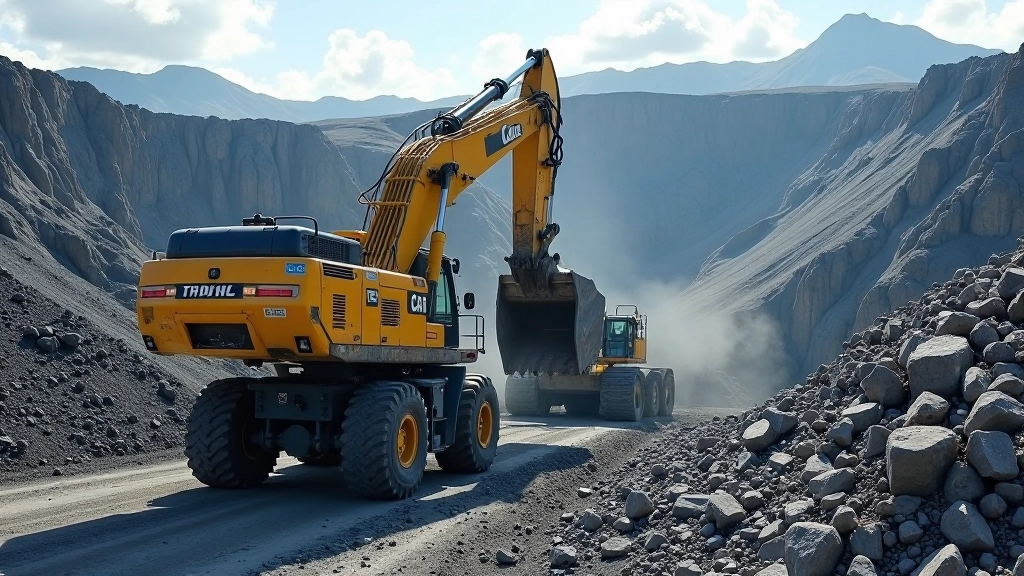
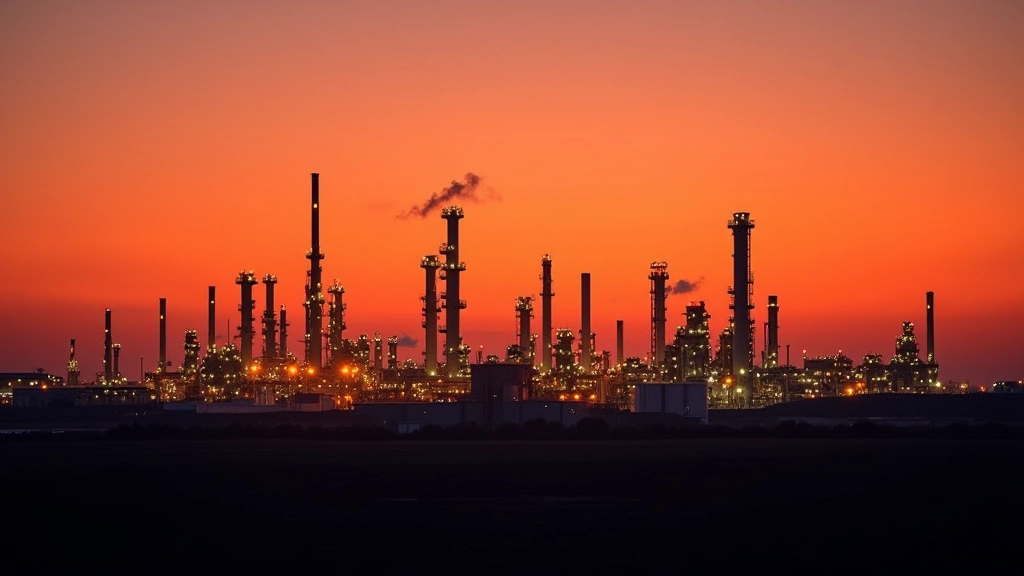
It didn’t happen overnight. Canada’s resource-heavy economy developed over decades because of geography and history. You’ve got vast deposits of oil in Alberta, minerals across the Canadian Shield, and prime agricultural land in the prairies. When you’re sitting on resources worth billions, extraction becomes the logical path.
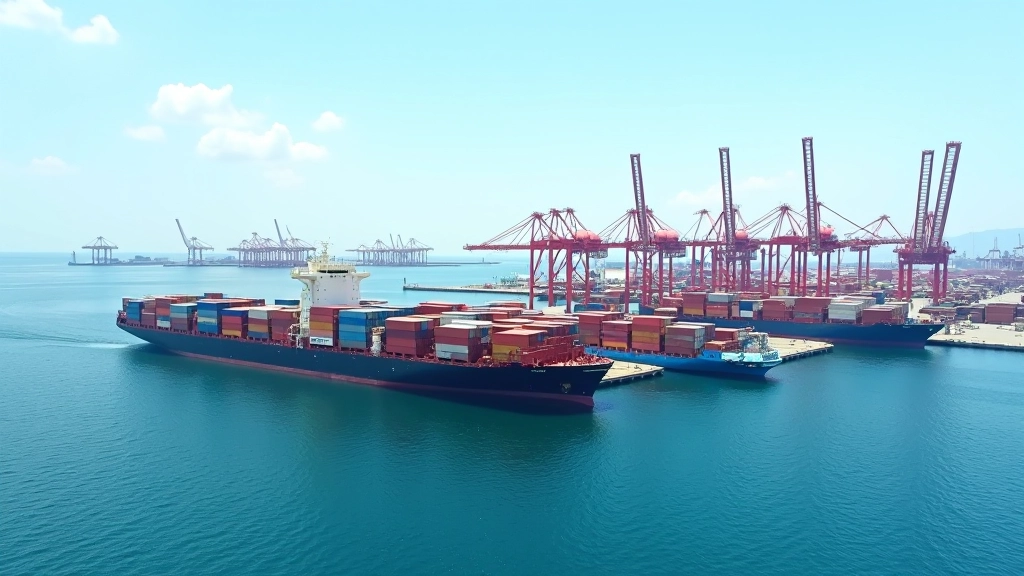
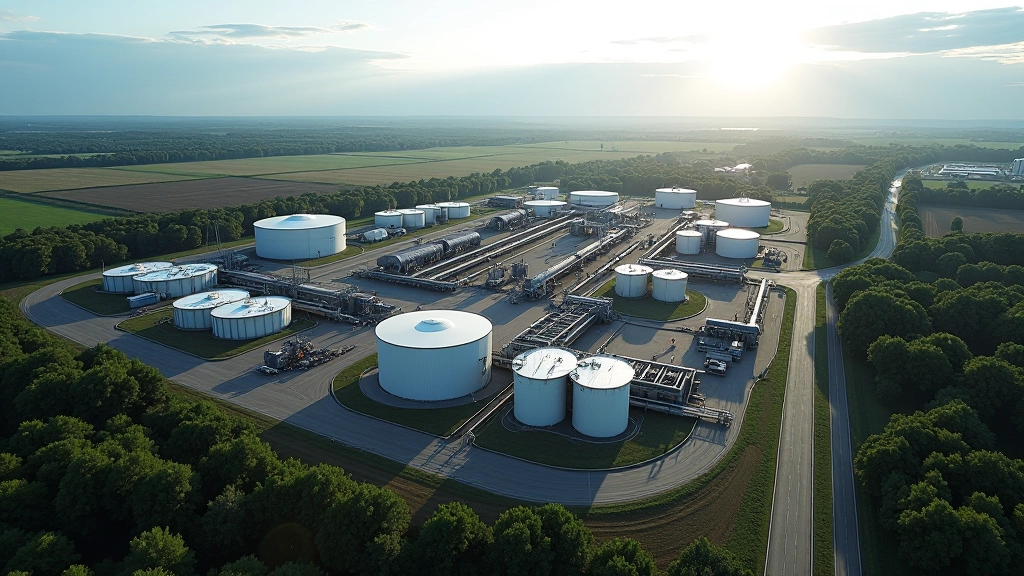
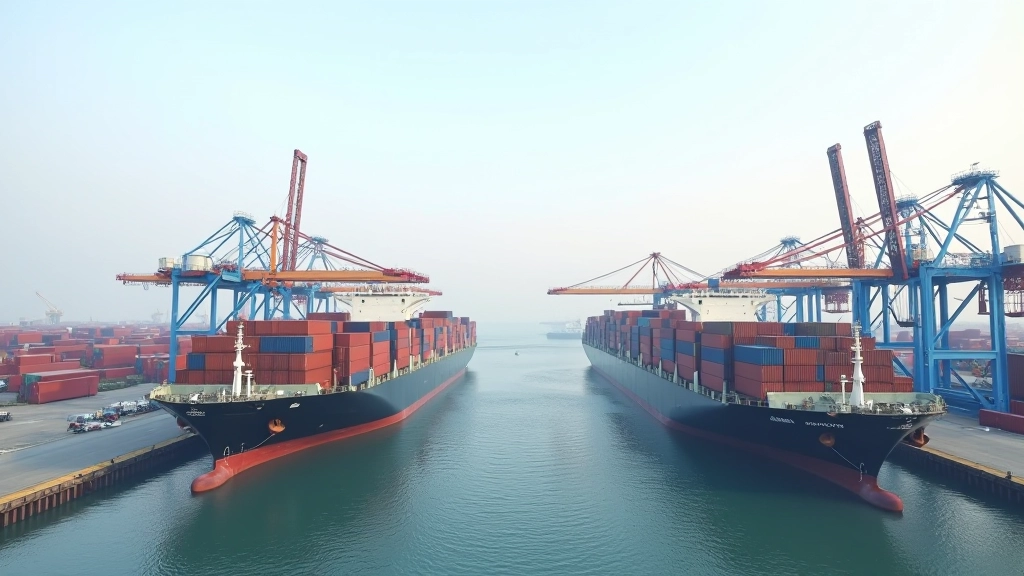
The infrastructure grew around this. Pipelines stretch across provinces. Port terminals handle bulk exports. Railways connect mining operations to shipping hubs. Thousands of workers built careers in these sectors. Entire towns exist because of a nearby mine or oil field.
But here’s where it gets tricky. That same infrastructure makes diversification harder. Capital flows toward proven commodity industries rather than emerging sectors. Policy support — tax breaks, regulatory streamlining, infrastructure investment — historically favored extraction over manufacturing or tech. Over time, Canada developed what economists call “resource curse dynamics,” where commodity wealth actually discourages economic diversification.
It’s not that Canada can’t do other things. We’re competitive in tech, pharmaceuticals, and advanced manufacturing. It’s that commodity revenues have been so substantial — and so easy to generate — that the economy never quite shifted its center of gravity.
The Vulnerability Factor
Commodity prices aren’t stable. They’re determined by global supply and demand, geopolitical events, and speculative trading. A war in the Middle East can spike oil prices. A Chinese economic slowdown crushes metal demand. Bad harvests elsewhere boost agricultural exports, then flood the market when production recovers.
Canada doesn’t control these prices. We’re a price-taker, not a price-maker. When OPEC restricts production, Canada’s oil flows to market at whatever price results. When Australia opens new mining capacity, global metal prices fall and Canadian operations become less profitable.
The 2014-2016 oil price collapse illustrated this perfectly. Crude dropped below $40 per barrel. Canada’s oil sands — which require $40-60 per barrel to be profitable — became marginal operations. Capital spending froze. Unemployment spiked in Alberta. Federal and provincial revenues tanked.
What’s particularly risky? Climate policy uncertainty. Major trading partners are implementing carbon taxes and net-zero targets. Oil demand may not recover to previous peaks. Metallurgical coal for steel production faces similar pressures. These aren’t short-term price cycles. They’re structural shifts in global energy and materials demand.
Trade Agreements and Commodity Flows
CUSMA (Canada-United States-Mexico Agreement) replaced NAFTA in 2020. On paper, it protects Canada’s commodity exports. The U.S. remains Canada’s largest trading partner, absorbing roughly 75% of our exports. That includes crude oil, natural gas, minerals, and agricultural products.
But here’s the reality: trade agreements don’t guarantee prices or demand. They remove tariff barriers and provide regulatory clarity, which matters. But they can’t shield Canada from commodity market volatility. CUSMA ensures we can sell to the U.S. tariff-free. It doesn’t mean the U.S. will buy as much when prices are low or alternative suppliers emerge.
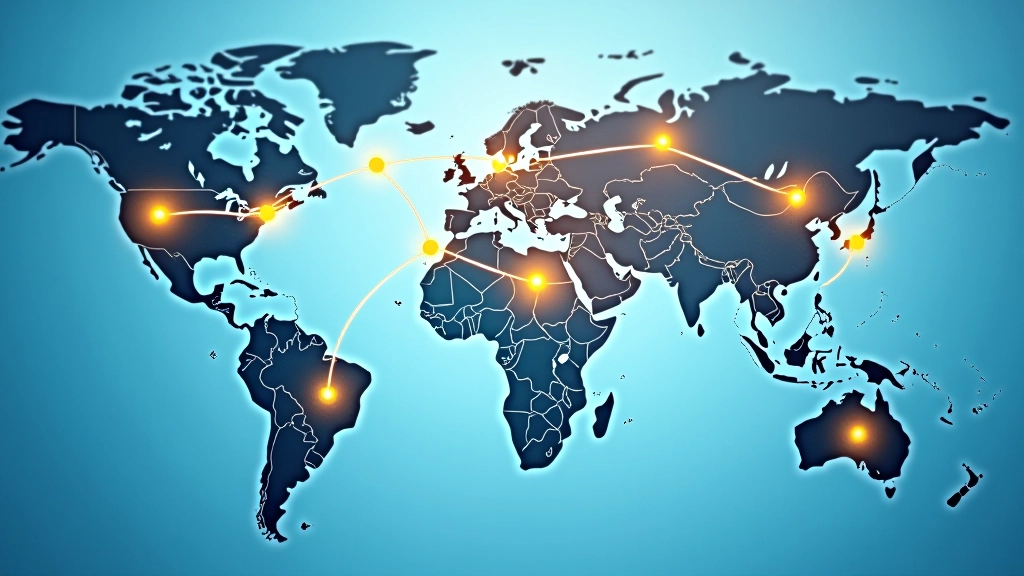
Diversifying export destinations would help reduce risk. But it’s complicated. Building supply chains takes years. Other markets have entrenched suppliers. Canadian infrastructure — pipelines, ports, railways — was built primarily to serve North American markets. Redirecting exports to Asia or Europe requires massive new infrastructure investment.
So we’re caught in a geographic and economic reality: Canada’s cheapest export route is southbound to the U.S. Changing that requires more than trade agreements. It requires infrastructure transformation.


Paths Toward Diversification
Can Canada reduce commodity dependence? Yes. But it’s not a quick pivot. Some strategies are already underway. Canada’s tech sector generates roughly $40 billion annually in exports. That’s growing but still dwarfed by oil and gas. Advanced manufacturing — aerospace, automotive components, pharmaceuticals — represents another growth area. These sectors pay well and generate innovation spillovers.
The challenge is scale. Creating enough tech and manufacturing jobs to offset commodity sector employment takes decades. It requires sustained investment in education, R&D, and infrastructure. It means competing globally against established players. It’s not impossible. But it’s a generational shift.
Some economists argue Canada should lean into natural resources differently — not just extracting and exporting raw materials, but adding value locally. Processing minerals into finished products, converting natural gas into chemicals or fertilizers, turning timber into advanced building materials. Value-added production keeps more revenue in Canada and creates higher-skilled jobs.
The reality? Canada will remain commodity-dependent for decades. The question isn’t whether to abandon these sectors — they’re too valuable. It’s whether Canada can build enough economic diversity to cushion against commodity price shocks. That’s the real challenge.
Moving Forward
Canada’s commodity dependence isn’t a crisis — not yet. We’re fortunate to have valuable natural resources. But it is a structural vulnerability. Global energy transitions, climate policy shifts, and commodity price volatility create real economic uncertainty. The countries that thrive in coming decades won’t be those dependent on any single export. They’ll be those that build diverse, resilient economies.
For Canada, that means thinking strategically about trade partnerships, infrastructure investment, and economic diversification. It means recognizing that resource wealth, while valuable, shouldn’t crowd out investment in technology, manufacturing, and services. It means understanding that CUSMA and other trade agreements create opportunity but don’t eliminate vulnerability to global market forces.
The commodity challenge isn’t insurmountable. But ignoring it isn’t an option either. Canada’s economic future depends on whether we can leverage our natural advantages while building the economic diversity needed for long-term resilience.
Information Disclaimer
This article provides educational information about Canada’s commodity dependence and trade dynamics. It’s not investment advice, economic forecasting, or policy recommendation. Commodity markets are complex, and factors affecting prices and trade flows vary constantly. Economic situations differ by region and sector. If you’re making decisions related to commodity investments, trade strategy, or business operations, consult with qualified economic advisors or industry experts who can assess your specific circumstances.
Related Articles