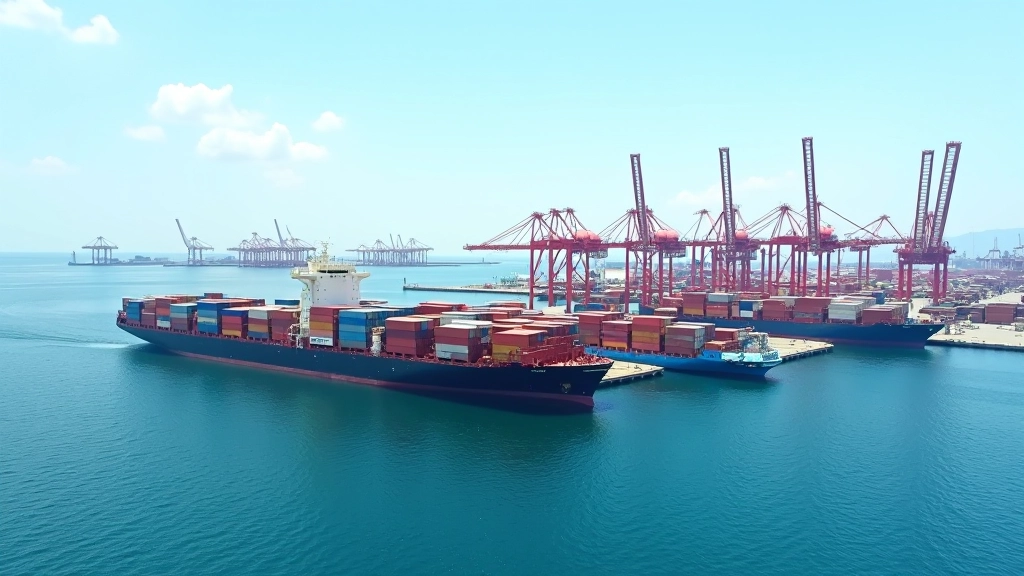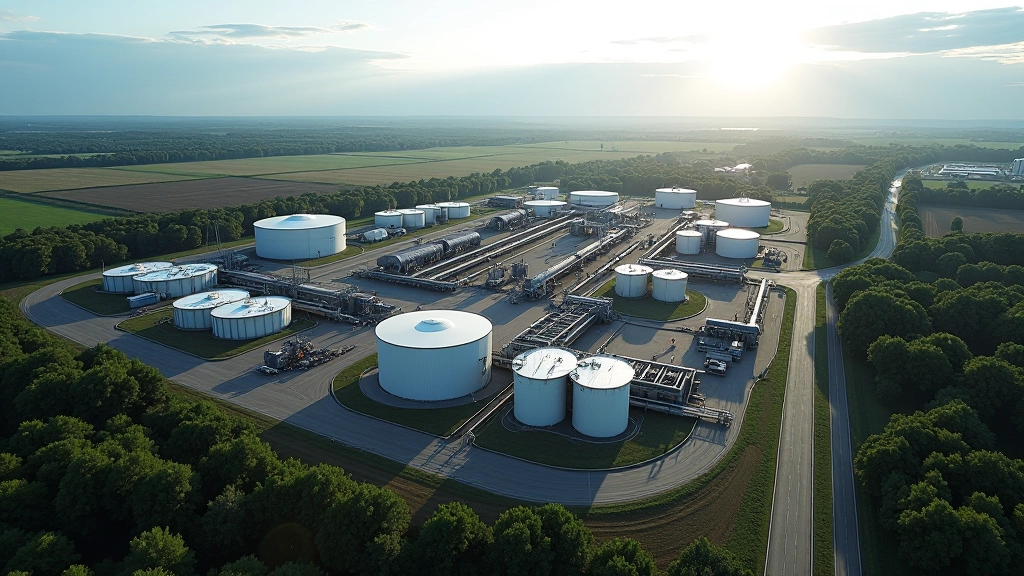
Global Supply Chains: Canada’s Strategic Position
Canada sits at a crossroads of North American manufacturing. Discover how supply chain disruptions affect Canadian businesses and what reshoring means for the economy.

Why Canada Matters in Global Trade
Canada’s role in international supply chains isn’t about being the biggest player. It’s about being essential. When factories in Asia need raw materials, when manufacturers in Mexico need precision components, when North American retailers need reliable shipments — they look to Canada.
The past few years have changed everything. COVID-19 shut down ports. Geopolitical tensions disrupted Asian manufacturing. Shipping costs exploded. And suddenly, companies started asking a question they’d ignored for decades: what happens if we can’t get what we need? That’s when Canada’s position shifted from “nice to have” to “strategically critical.”
But here’s the complexity — Canada’s advantages come with real vulnerabilities. We’re heavily dependent on commodity exports. We’re geographically isolated from the world’s largest manufacturing centers. And we’re tightly integrated with the U.S. economy through CUSMA, which creates both opportunities and constraints.
Canada’s Trade Profile: The Numbers That Matter
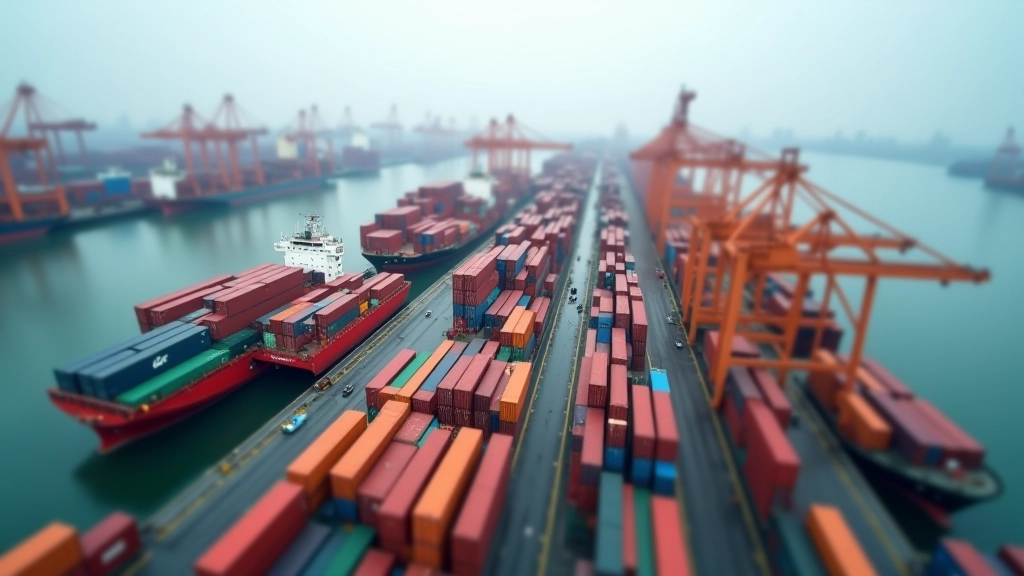
Canada exports about $550 billion in goods annually. Sounds massive until you realize 75% of those exports go to the United States. Oil and gas account for roughly 25% of total exports, followed by minerals, metals, and agricultural products. We’re not manufacturing smartphones or automobiles at scale — we’re extracting resources and processing raw materials.
This concentration creates what economists call “commodity dependence.” When oil prices drop, the entire Canadian economy feels it. When global demand for metals slows, mining regions struggle. We’re profitable when commodities are hot, but vulnerable when they’re not.
The U.S. market represents both our greatest opportunity and our biggest risk. CUSMA replaced NAFTA in 2020, and it’s reshaped how trade works. Lower tariffs on most goods mean American companies can source from Canada more cheaply. But it also means Canadian manufacturers compete directly with Mexican producers for the same contracts. We’re not playing on an even field — we’re playing on a field where labor costs matter, and Mexico’s wages are substantially lower.
Key Insight: Canada’s trade advantage isn’t cheap labor or manufacturing capacity. It’s proximity, stability, and access to resources that other developed nations simply don’t have.


When Supply Chains Break: Lessons from Recent Disruptions
The 2020-2022 period taught Canadian businesses painful lessons about supply chain fragility. Port shutdowns in Vancouver and other major hubs backed up container shipments for months. Trucking capacity evaporated because of driver shortages. Semiconductor shortages meant auto plants couldn’t operate at full capacity.
What surprised many companies was how quickly problems cascaded. A closure at one port didn’t just affect that port — it rippled through the entire network. Containers piled up in the wrong places. Manufacturing schedules shifted. Costs spiraled.
These disruptions revealed something crucial: Canada’s infrastructure, while generally reliable, wasn’t built for the speed of modern just-in-time manufacturing. When things flow smoothly, it’s efficient. When something breaks, there’s almost no buffer.
Reshoring and Nearshoring: Canada’s New Opportunity
For the first time in decades, North American manufacturers are seriously considering bringing production closer to home. It’s not because wages in Asia are rising — they’re not. It’s because reliability and speed now matter more than they used to.
Why Companies Are Looking North
Nearshoring — moving production to nearby countries — has become attractive for several reasons. First, geopolitical risk. Trade tensions between the U.S. and China mean companies can’t rely on stable access to Chinese manufacturing. Second, speed to market. Getting products from Mexico to U.S. markets takes days instead of weeks. Third, supply chain visibility. When your factory is a 10-hour drive away instead of 8,000 miles away, you know what’s happening there.
Canada benefits from all three trends. We’re politically stable. We’re physically close to U.S. markets. We’ve got established relationships and infrastructure. Companies like Tesla, Ford, and various battery manufacturers are already investing billions in Canadian facilities.

The Opportunity Window
This reshoring trend won’t last forever. It’s driven by current geopolitical and economic conditions that could shift. Canada needs to capitalize now by improving infrastructure, streamlining regulations, and making it genuinely attractive to invest here. Companies considering nearshoring are comparing Canada, Mexico, and the U.S. The competition is real, and the window is closing.
Real Challenges Canada Faces
Let’s be direct — Canada’s got structural problems that aren’t easy to fix. Labor costs are higher than Mexico’s, so we can’t compete on price alone. Transportation infrastructure, especially rail networks, needs investment. Regulatory compliance adds time and cost. And there’s the energy question — Canada’s got abundant energy, but energy costs still aren’t as low as in some other regions.
Infrastructure Investment Gap
Ports, rail lines, and highways need ongoing upgrades. Current capacity is adequate for today’s volumes, but new investment in manufacturing will require significant infrastructure improvements.
Skilled Labor Availability
Advanced manufacturing requires specialized workers. Canada’s got talent, but finding enough people with the right skills in the right locations is genuinely difficult.
Regulatory Complexity
Environmental regulations, labor laws, and trade compliance add complexity. They’re important, but they also slow down decision-making for companies evaluating Canada vs. alternatives.
Commodity Price Volatility
Raw material prices swing dramatically based on global demand. This volatility affects everything from mining investment to transportation costs to labor market stability.

What’s Next for Canada’s Supply Chains
The next 5-10 years will be crucial. Companies are making decisions about where to locate new facilities. Governments are deciding how much to invest in infrastructure. Trade relationships are evolving.
Battery and EV Manufacturing Will Drive Growth
Lithium mining, battery production, and electric vehicle assembly are happening in Canada now. These sectors offer genuine growth opportunities if we can build out supporting supply chains.
Diversification Away From Oil Dependence
Canada’s got time to reduce reliance on oil exports, but that transition requires strategic investment in other sectors — minerals, advanced manufacturing, technology.
Digital Integration and Supply Chain Visibility
Real-time tracking, predictive analytics, and blockchain-based verification are becoming standard. Companies investing in these technologies now will have competitive advantages.
Reshoring Will Continue, But Selectively
Not everything will come back to North America. But products where reliability, speed, or security matter will increasingly be produced closer to consumers.
“Canada’s not competing to be the cheapest. We’re competing to be the most reliable, most stable, most strategically positioned option for North American supply chains. That’s a winnable game if we play it right.”
— Industry Analysis, 2026
The Bottom Line
Canada’s position in global supply chains is genuinely strategic, but it’s not automatic. We’ve got natural advantages — geography, stability, resources, proximity to the world’s largest consumer market. But advantages only matter if you capitalize on them.
The reshoring trend creates real opportunity. Companies are actively looking for alternatives to Asian manufacturing, and Canada’s a credible option. But we’re competing with Mexico, which has lower labor costs, and the U.S., which has scale and market size.
What Canada can’t afford to do is assume this opportunity will last forever. Geopolitical situations change. Manufacturing technologies evolve. Trade relationships shift. The time to invest in infrastructure, develop workforce skills, and make Canada the obvious choice for nearshoring is now.
Want to Understand Canada’s Trade Position Better?
Explore our other articles on CUSMA, commodity markets, and economic partnerships to get a complete picture of how Canadian trade works.
Explore More TopicsAbout This Article
This article is informational and educational in nature. It provides an overview of Canada’s position in global supply chains based on publicly available data and economic analysis. Trade dynamics, supply chain structures, and economic conditions change frequently. The information presented reflects conditions as of March 2026 and may not account for more recent developments. For specific business decisions related to supply chains, trade, or investment, consult with trade specialists, economists, or business advisors who can evaluate your particular circumstances. This content is not investment advice, trade policy guidance, or economic forecasting.
Related Articles